BIM Evidence, Carbon Assumptions and a Corrected Revit Deadline
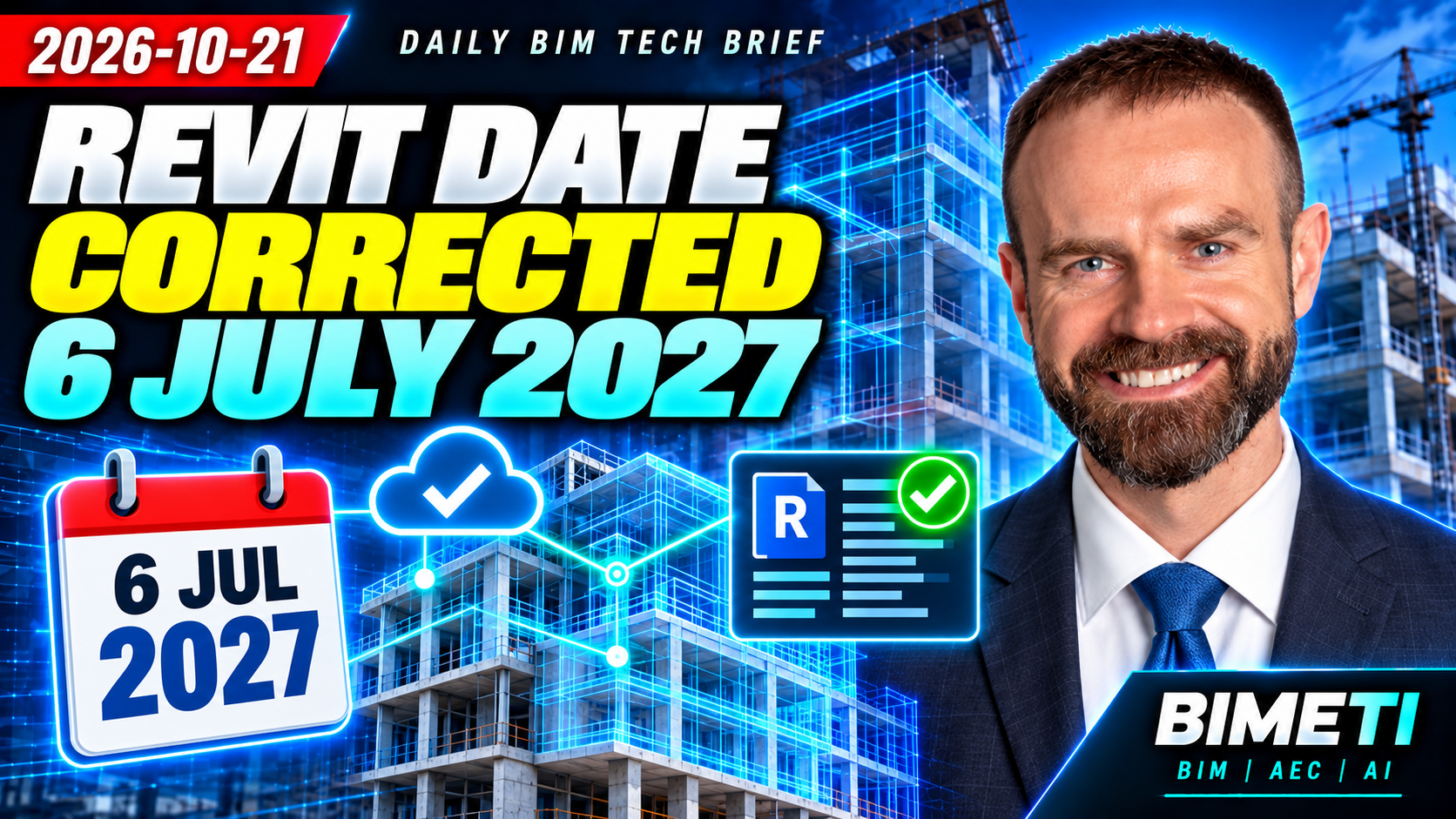
Edition: 21 October 2026 · Category: BIM News
This archived edition brings together recent announcements, technical clarifications and scheduled events. The edition date is not the announcement date of every story. Its central question is practical: can a project team trace a decision back to reliable, current information?
AI needs evidence, not just an answer
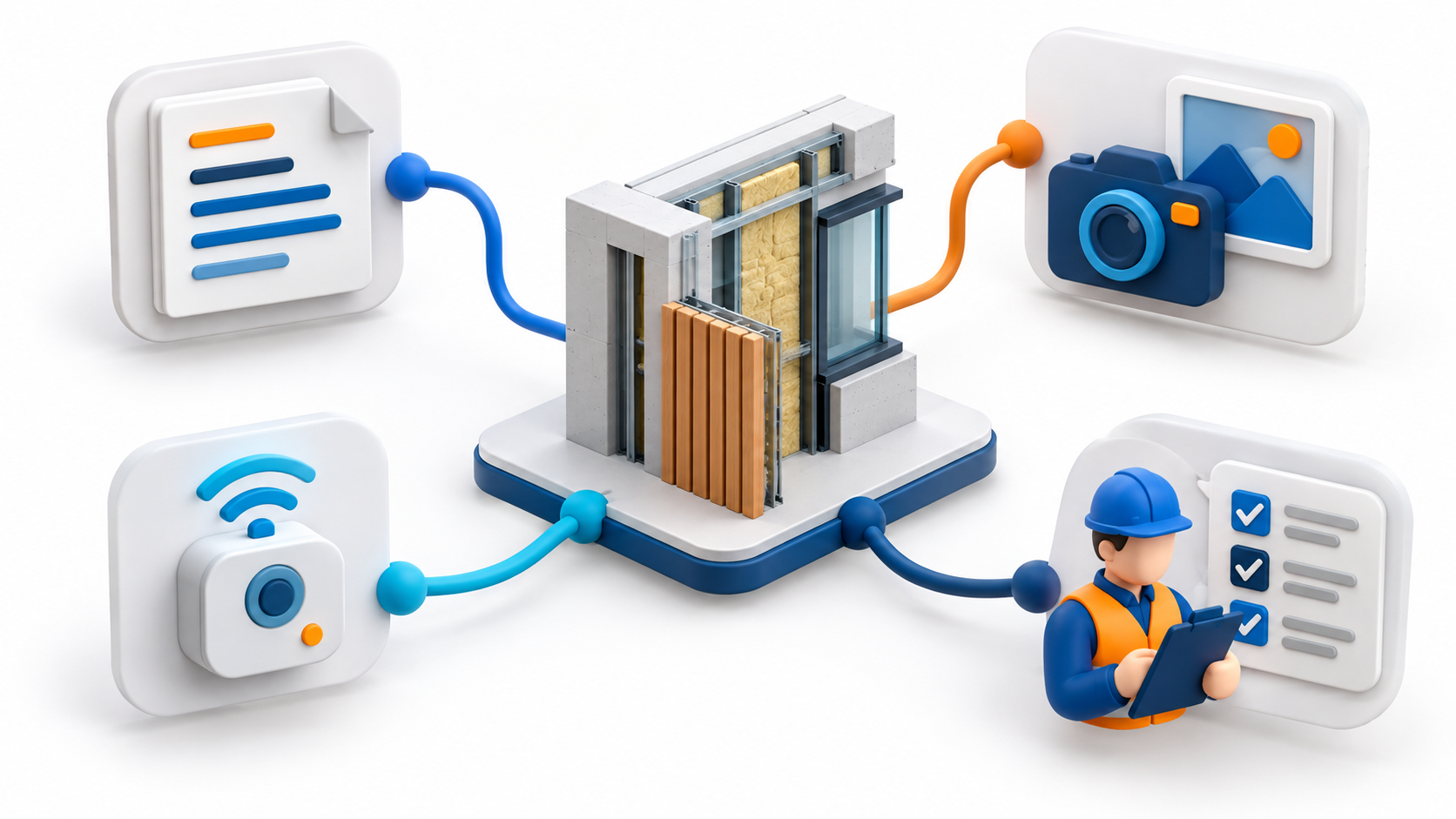
Autodesk Research and Hawaiian Dredging describe a “data hive” approach linking project information to construction questions. The opportunity is to bring relevant evidence together rather than ask people to search disconnected systems. However, the source explicitly describes research, not a generally available autonomous site manager. A sensible pilot would test one quality-control decision: can the system find the right evidence and distinguish the current revision from an obsolete one? That is an editorial test proposal, not a reported product benchmark.
Source: Autodesk Digital Builder, updated 20 October 2026 — https://www.autodesk.com/blogs/construction/digital-builder-ep-155-how-ai-is-helping-construction-teams-turn-data-into-better-decisions/
Carbon comparisons need consistent assumptions

The Greenbuild programme scheduled an Autodesk Carbon Insights session for 21 October, describing embodied and operational carbon assessment across Forma Site Design, Building Design and Revit. A programme listing establishes the planned topic; it does not establish a new release, independently verified accuracy or that the session occurred as advertised. For practitioners, the useful question is whether alternatives use comparable boundaries, material assumptions and operating scenarios before their results are compared.
Source: Greenbuild session programme — https://attend.greenbuild.informaconnect.com/widget/event/2026-greenbuild-international-conference-and-expo/planning/UGxhbm5pbmdfNDUxODY4MQ==
Civil–architecture connections: check maturity first
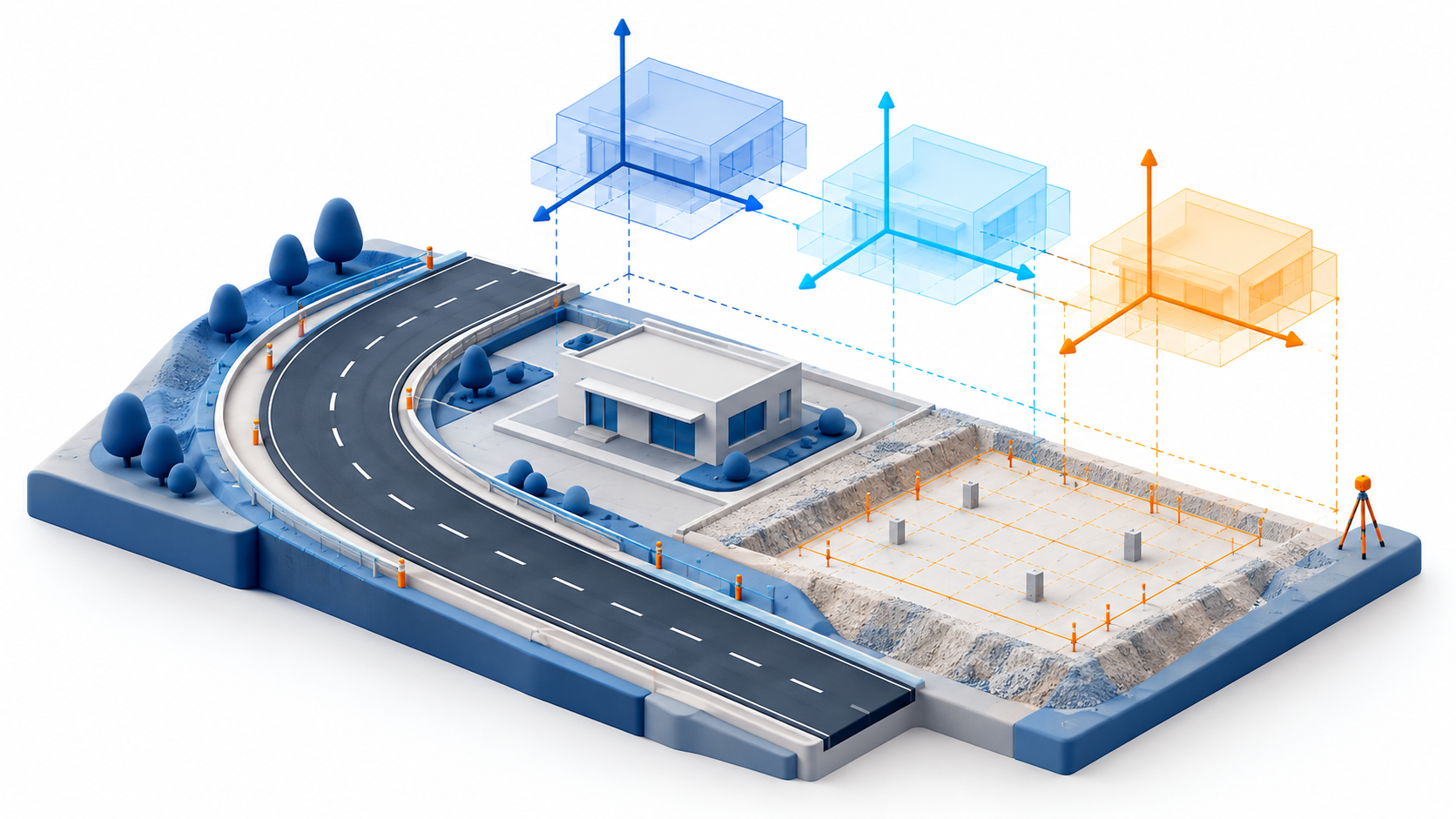
Autodesk’s 14 October Forma recap describes Street Design as in development with a closed-beta waitlist, and a Civil 3D connection beginning as a technology preview. Consistent geolocation is a stated direction, not proof that every production exchange eliminates coordinate drift. Before relying on a connection, test survey changes, reference updates and responsibility for shared geometry on a non-confidential example.
Source: Autodesk Forma — https://blogs.autodesk.com/forma/2026/10/14/what-autodesk-forma-announced-au-2026/
Regional hosting is not a complete compliance answer

Procore’s release index dates its EU Application Zone launch to 5 October. Regional hosting and processing can matter to procurement, but the headline alone does not establish where every integration, backup or support activity takes place. Teams should request the applicable service scope and map their actual data paths before drawing a compliance conclusion.
Source: Procore release index — https://www.procore.com/en-ca/whats-new
Revit cloud access: use the corrected date
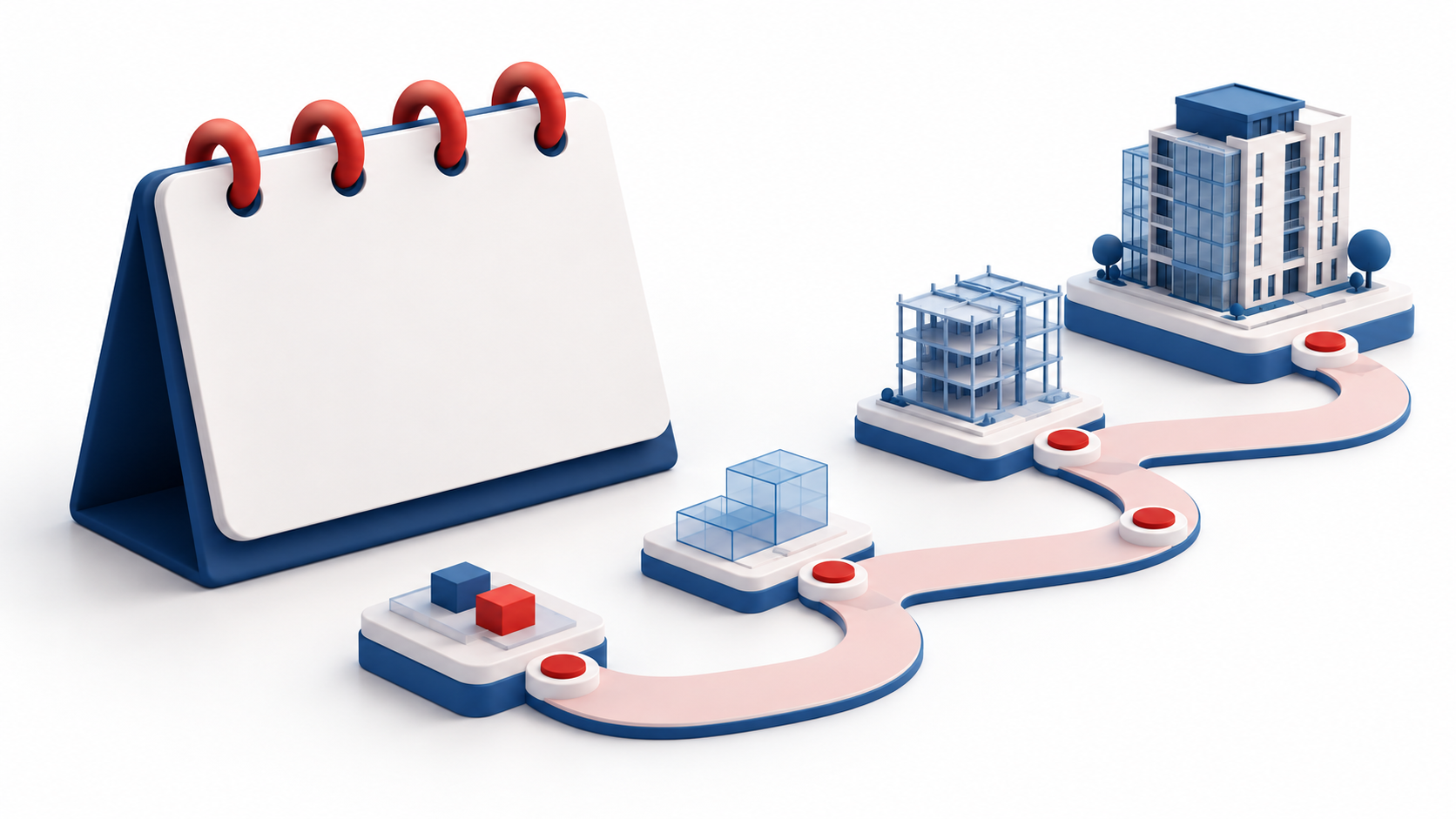
Autodesk’s updated announcement moves the affected Revit Cloud Models access deadline to 6 July 2027 for Revit 2022 and earlier. The 14 October update supersedes the older 17 November 2026 date. Web and local access are described as unaffected, subject to licensing. The practical response is a coordinated dependency inventory and tested migration plan—not an unplanned live-project upgrade.
Source: Autodesk’s updated forum announcement and reply — https://forums.autodesk.com/t5/revit-cloud-worksharing-forum/important-update-deprecation-of-revit-cloud-models-access-for/m-p/14313424/highlight/true
Make openBIM requirements testable
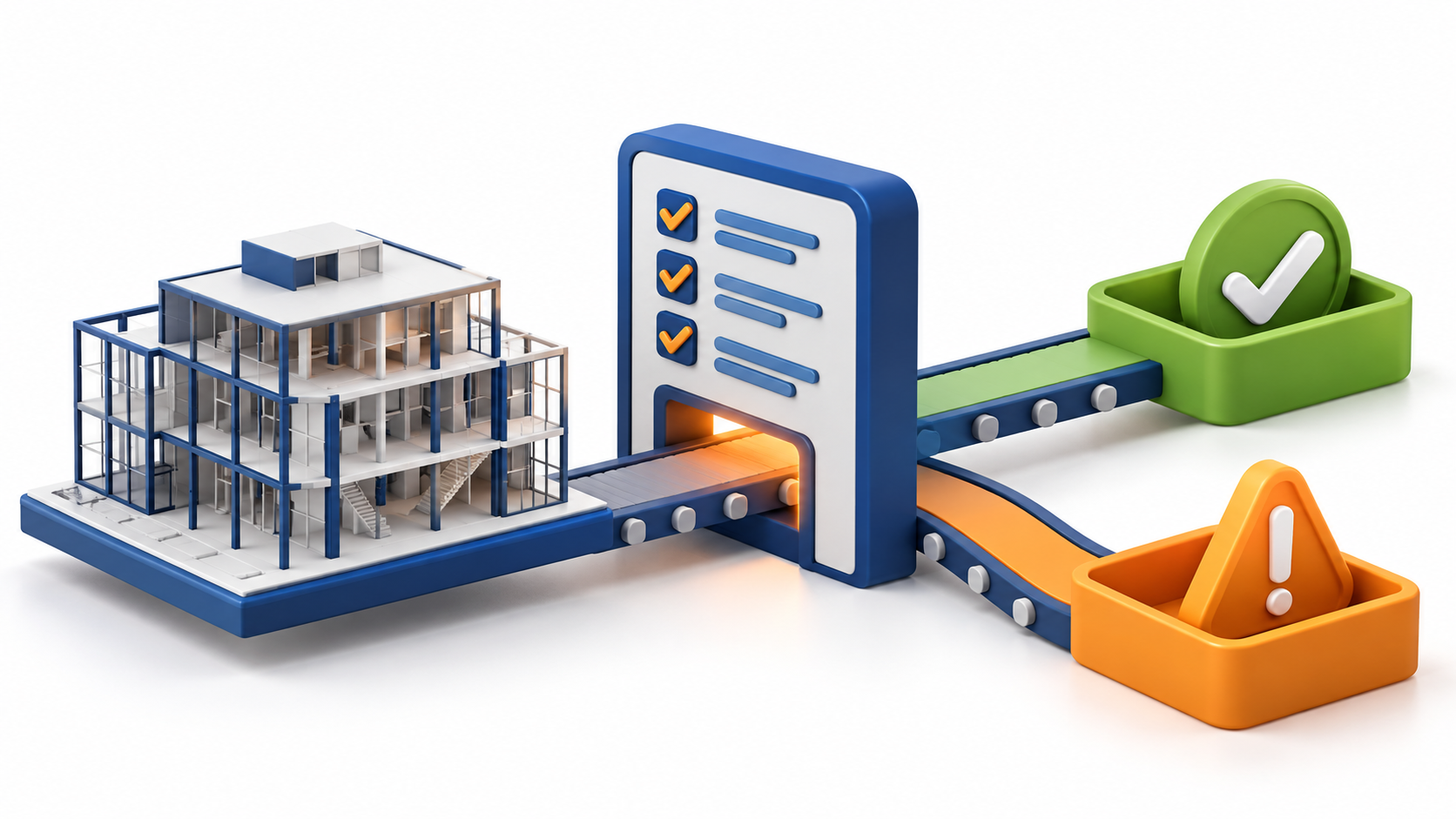
BIMcon’s Bucharest programme listed an IFC/IDS masterclass and technical workshops for 22–23 October. Those dates have now passed; this archived brief does not claim attendance, recordings or event outcomes. The useful learning principle remains: define what an exchange must contain, then test explicit pass/fail requirements on a small model.
Sources: https://buildingsmartromania.org/en/bimcon/index and https://www.buildingsmart.org/events/2026-10-23/?hide_subsequent_recurrences=1
Watch the edition
Illustrations are original AI-generated conceptual visuals, not software screenshots or evidence of tested product performance. Source checks for this edition were recorded on 21 October 2026. Recommendations above are BIMETI editorial analysis, not vendor guarantees.
Watch the original BIMETI Daily BIM Tech Brief — 21 October 2026. Archived edition; check the cited sources for later updates.